News, insights, and technical deep-dives on green software from the GSF community.

The GSF Annual Report covers our activities and achievements throughout last year. It’s a quick and exciting read, so don’t miss out on going through the full report. Here is a short overview.

The first enterprise-scale implementation of carbon-aware computing using the software carbon intensity (SCI) specification and carbon-aware-sdk is capable of avoiding multiple metric tons of CO2eq from entering the atmosphere -- every year.
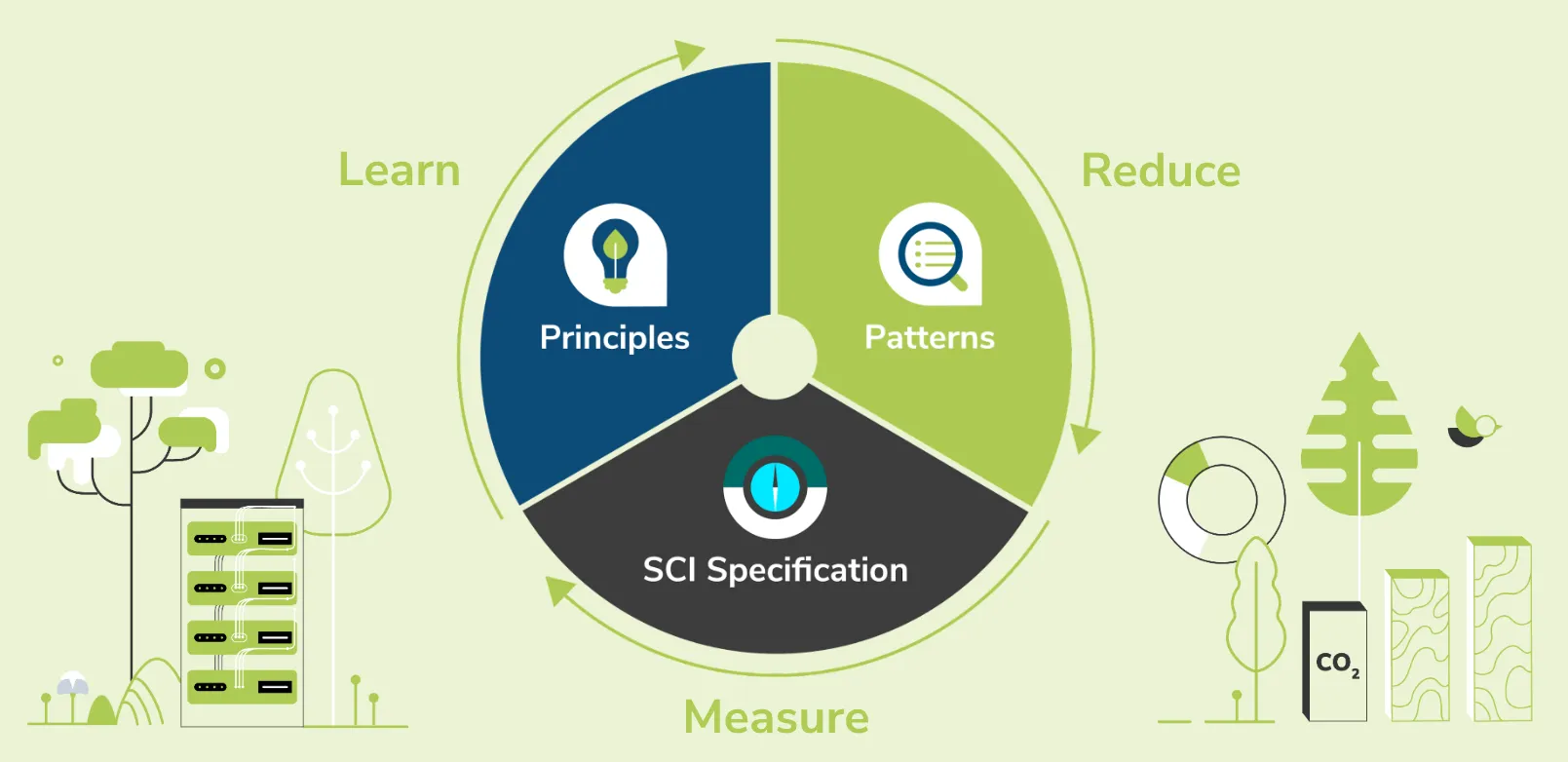
Latest tools from the Green Software Foundation provide organizations a concrete action plan to measure, learn and reduce carbon emissions of software.
The hackathon engaged the most talented developers from around the globe in building the best carbon aware application using the GSF Carbon Aware SDK.

The Foundation wants a future where software produces no harmful environmental effects. To make this happen, we need software to emit the least amount of carbon possible- read our Book of News to understand how the GSF intend to do this.
The article outlines the three main pillars of the GSF strategy: Knowledge, Tech Culture, and Tooling. Together, they build the foundation of the Theory of Change (TOC) and explain how we will reach our goals with respect to green software.
The Texas State University has just released its report on a study evaluating software carbon intensity of foundation models. Among other findings, the study confirms that the SCI is suitable for effectively measuring the carbon impact of software.
We looked at sustainability from two perspectives. Global network infrastructure and data centers can have more greenhouse gas emissions than the airline industry if following the current energy consumption path.
A contest for developers to build the best carbon aware software application with a total prize pool of USD 80,000. Carbon aware software does less when the electricity is dirty and more when the electricity is clean.
GSF Global Summitは2022年6月に世界各国の会場で開催されました。本イベントはその 1つであり、東京のスタジオから配信されました。GSFからは日本マイクロソフト、イン テル、野村総合研究所、NTTデータが参加し、日本におけるグリーンソフトウェアの認知 度向上、GSF日本会員のコミュニティ醸成を促すことができました。
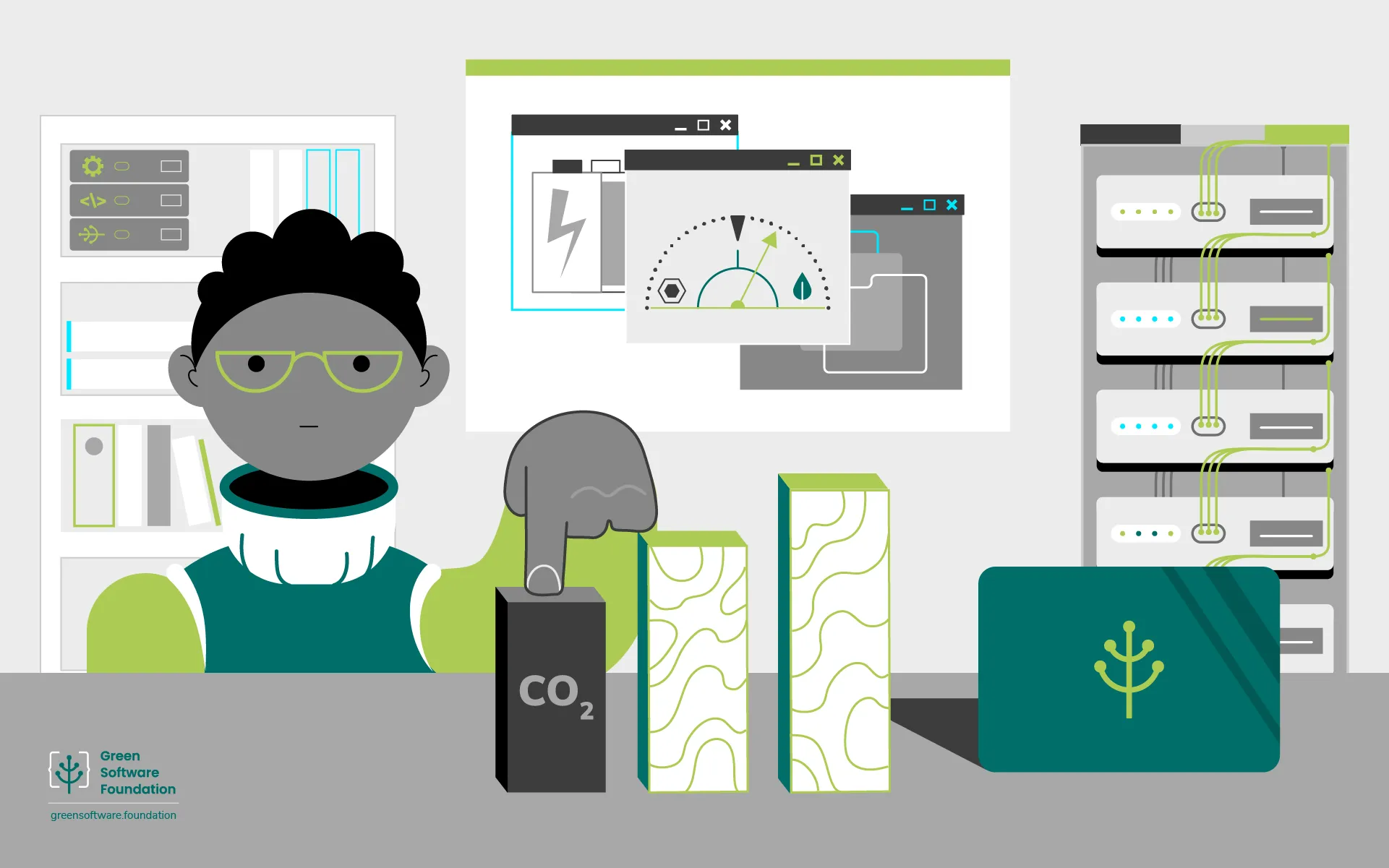
ソフトウェアには大きく分けて2つの側面があります。気候問題の一部という側面、そして気候問題の解決 方法という側面です。 グリーンソフトウェアを開発し、普及させるためには、人材、標準、ツール、およびベストプラクティス からなる信頼できるエコシステムを構築する必要があります。まさにそれがグリーンソフトウェア財団の ミッションです。

グリーンソフトウェア開発に関する10の推奨事項、あなたは守れています か?